
How Hairdressers Learn
A research-based roadmap to mastery — the BreakRoom way.
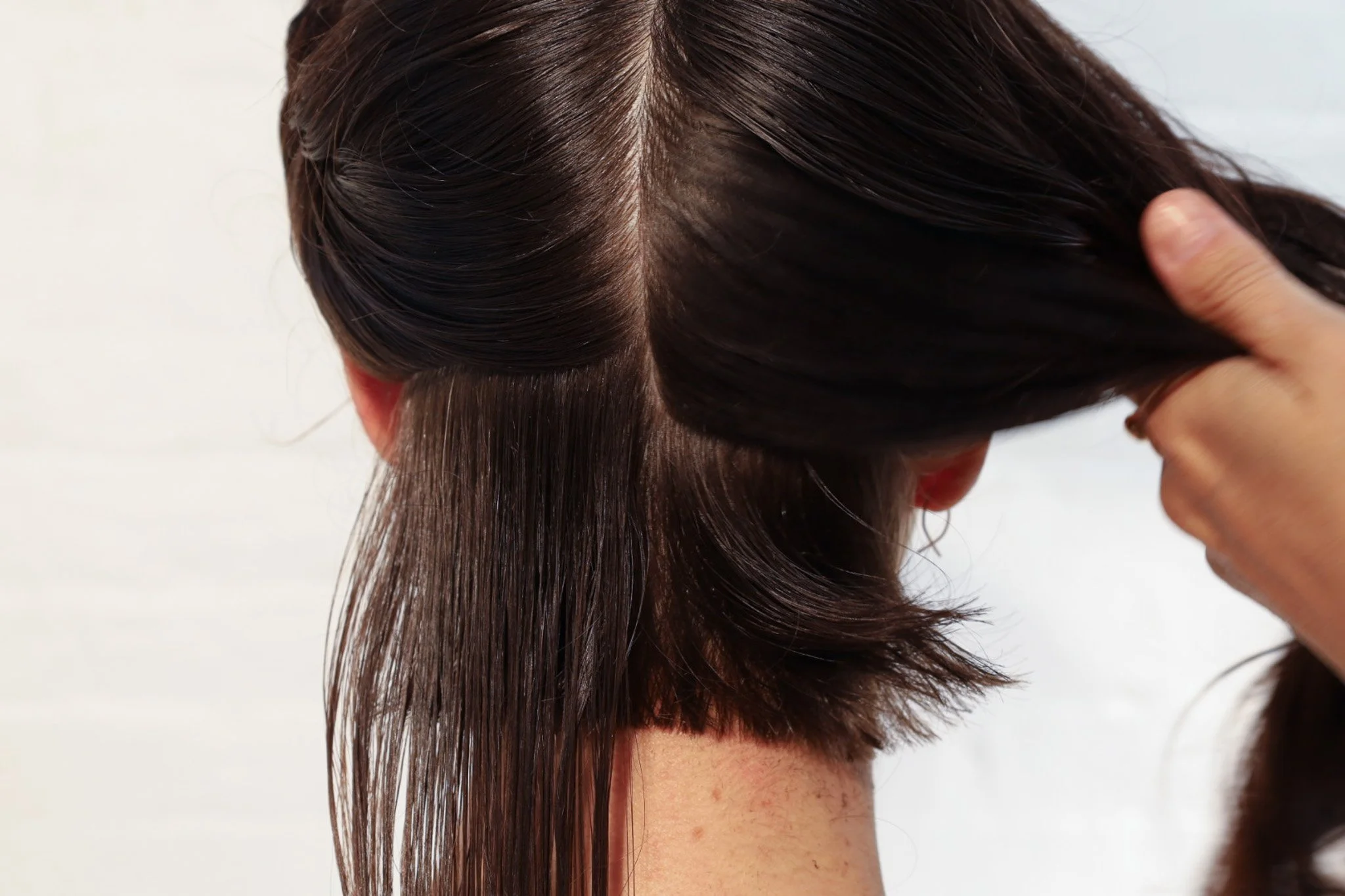
The secret to mastery isn’t talent — it’s how you learn
“You either have it, or you don’t.”
For decades, the industry has told stylists:
But that’s not true. Hairdressing is a trainable, repeatable, neurological skill — one that any stylist can master with the right methods.
Every great cutter came through a process involving:
repetition
correction
nervous system activation
emotional safety
visual drills
pattern recognition
mistake-making
The problem is: hairdressers were never taught how learning actually works. The BreakRoom changes that.
The BreakRoom Learning Arc
The five stages every stylist moves through. All stylists — beginners to masters — pass through these stages:
trying to remember steps
hands speeding up
mind racing
perfectionism and fear at the wheel
everything feels like a test
Stage 1:
survival mode
Stage 2:
understanding the why
muscle memory becomes comprehension
suddenly structure, lines, and elevation start to make sense
this is the first real moment of confidence
Stage 3:
controlled repetition
slow practice
clear decisions
cleaner lines
hands become steadier
mistakes become easier to catch
This is where mastery begins.
Stage 4
adaptability
cuts no longer follow “steps.”
you respond to density, texture, movement, head shape, and unexpected variables
you adjust without fear
This is true skill.
Stage 5
creative identity
you develop your own voice
your work becomes recognizable
your decisions are rooted in confidence, not survival
This is artistry.
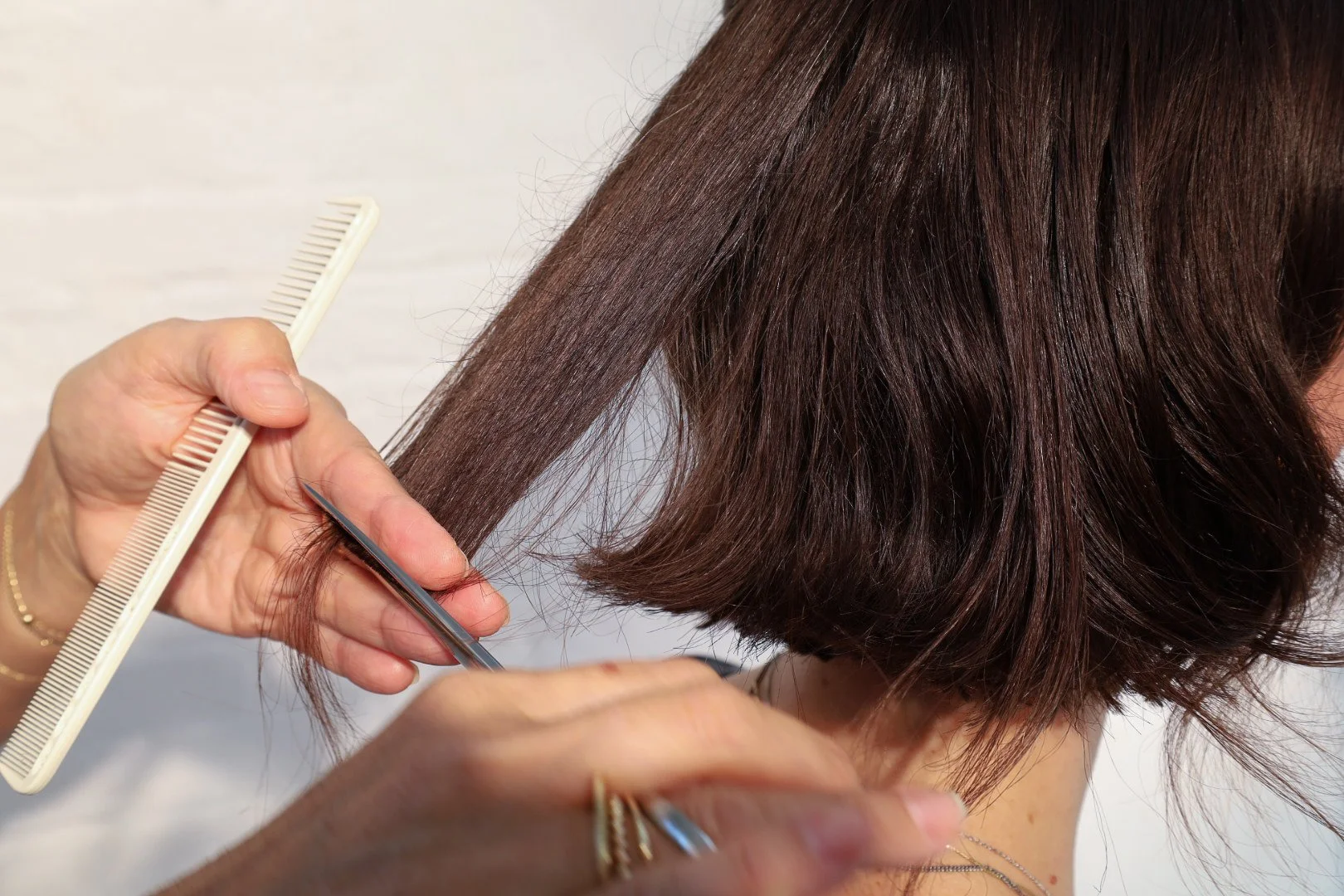
The three systems of hairdresser learning
Hands. Eyes. Nervous system.
Most people think hairdressers learn with their brain. But the truth is: they learn through three integrated systems.
Motor skill (the hands)
1
Cutting hair is a motor discipline — like surgery, dance, violin, or ceramics.
It requires:
slow repetition
pressure accuracy
line consistency
body control
rhythm
tension awareness
blade path memory
Repetition wires the skill.
Correction strengthens it.
Practice makes it automatic.
Visual intelligence (the eyes)
2
Most stylists cut well — but don’t see well.
Visual training builds:
shape recognition
weight mapping
movement prediction
balance awareness
bias detection
density interpretation
silhouette reading
Training the eyes accelerates every other aspect of cutting.
Emotional regulation (the nervous system)
3
You cannot cut well if you are overwhelmed.
A dysregulated stylist:
speeds up
loses tension
misreads density
collapses elevation
forgets steps
reacts instead of decides
A regulated stylist:
cuts cleaner
thinks clearer
problem-solves faster
stays present
leads the consultation
makes intentional choices
Your nervous system is your technique.

The science behind the BreakRoom Method
The research that supports how we teach.
Our approach integrates principles from:
Cognitive load theory
Your brain can only hold so much at once. We reduce overload so you can learn deeper.
Motor learning science
Mistakes + repetition + feedback = mastery. You must do, not just watch.
Mind–brain–education
Emotions affect learning. Calm, curious stylists learn faster.
Skill acquisition theory
Beginners need clear steps. Intermediate stylists need correction. Advanced stylists need adaptability.
We design training accordingly.
Embodied cognition
You learn with your body. Body mechanics and posture matter as much as tools.
The neuroscience of emotion
Stress shuts down fine motor skills. Regulation reopens them.
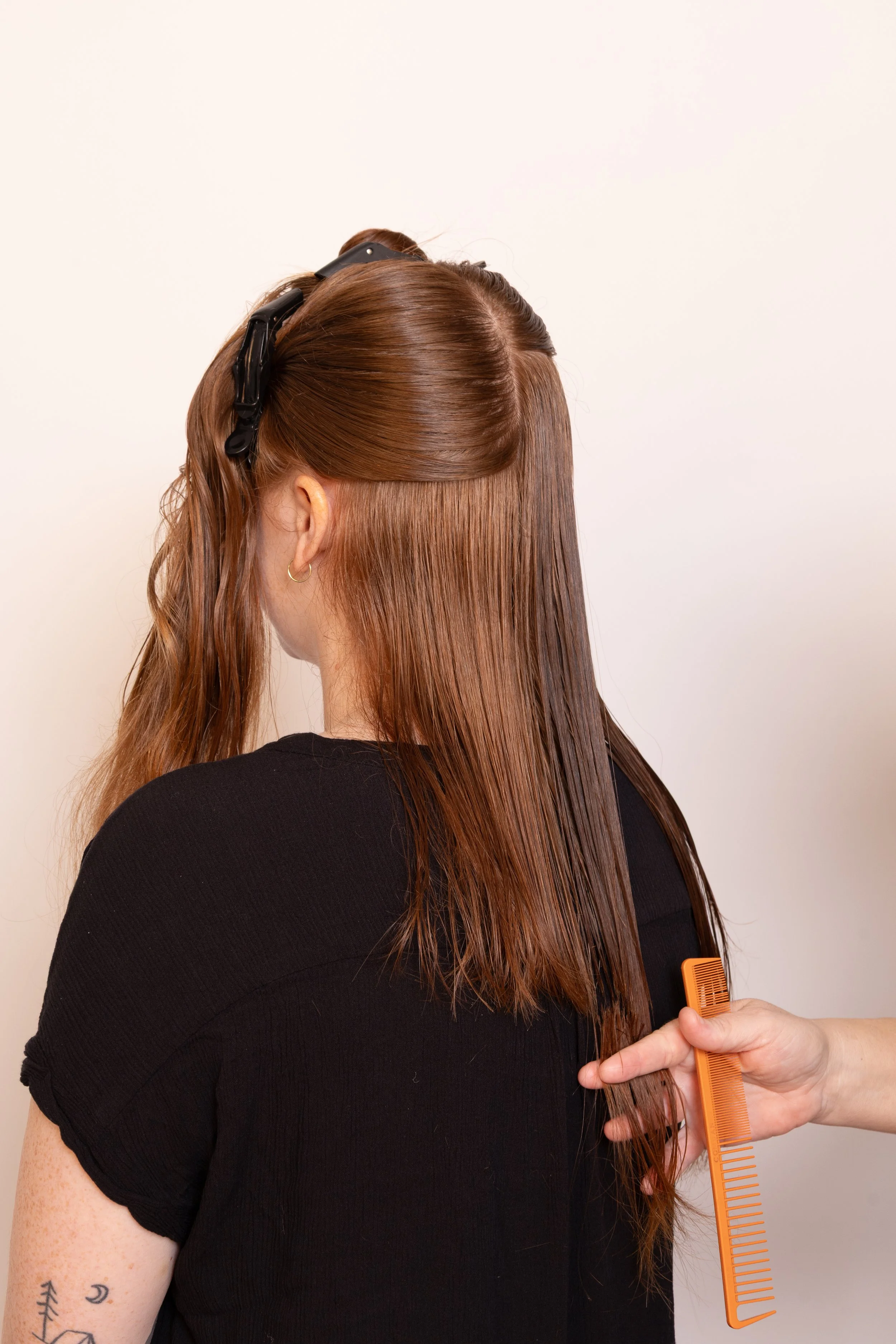
The most common learning challenges (and how we fix them)
We simplify technique into digestible layers.
Overthinking
We teach you how to stay in your own learning lane.
Comparison
We slow you down to speed you up later.
Rushing
We create safe room for error — the fastest learning tool.
Avoiding mistakes
We rebuild the foundation step-by-step.
Learning out of order
We teach grounding + nervous system skills to keep you present.
Emotional flooding
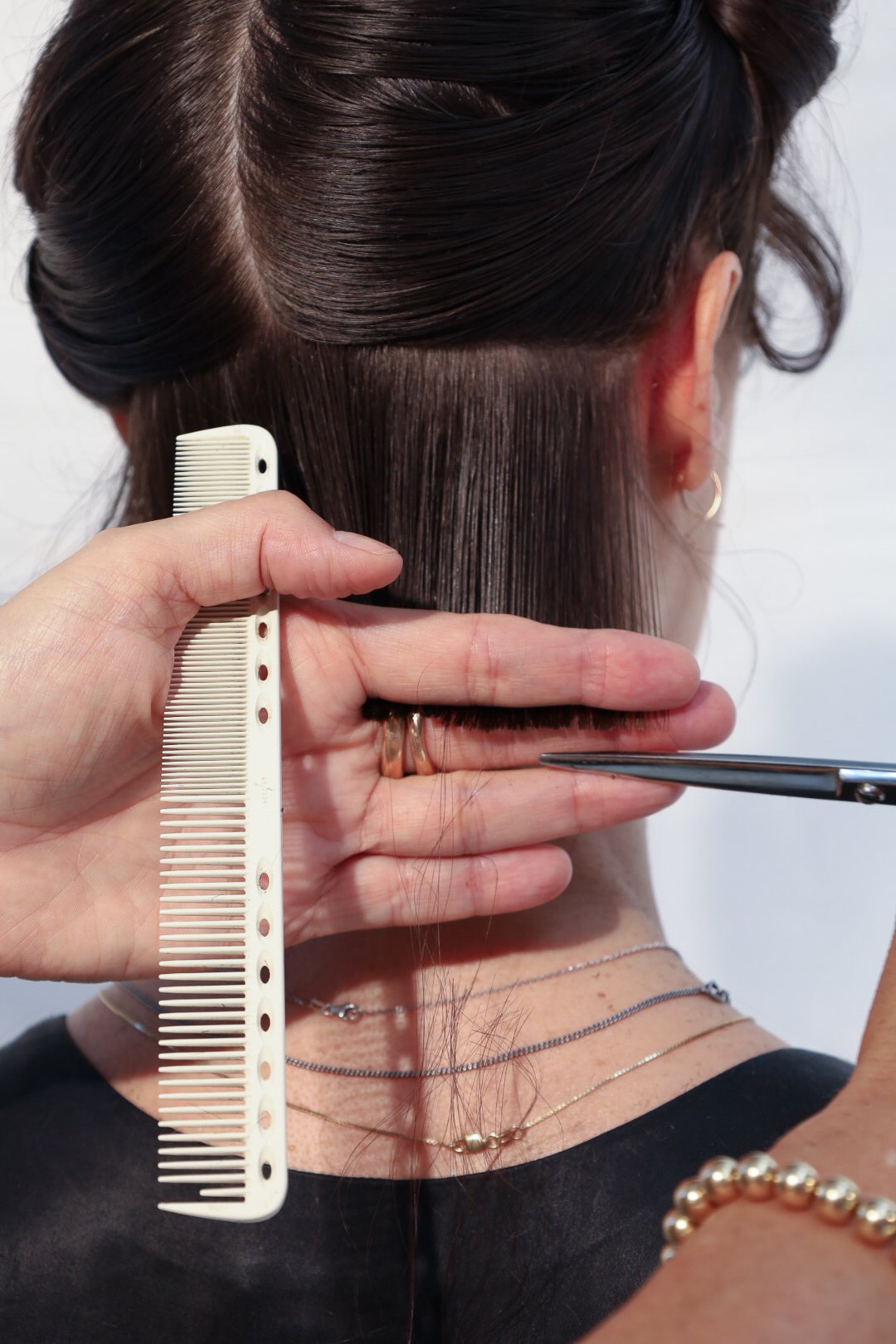
How the BreakRoom teaches for mastery
Clarity. Repetition. Correction. Calm.
Our teaching philosophy includes:
slow, clear demonstrations
simplified concepts
real-time correction
guided repetition
hands-on practice
visual drills
honest conversations
a culture of curiosity
supportive, ego-free learning
Stylists don’t just “get better”. They truly transform.
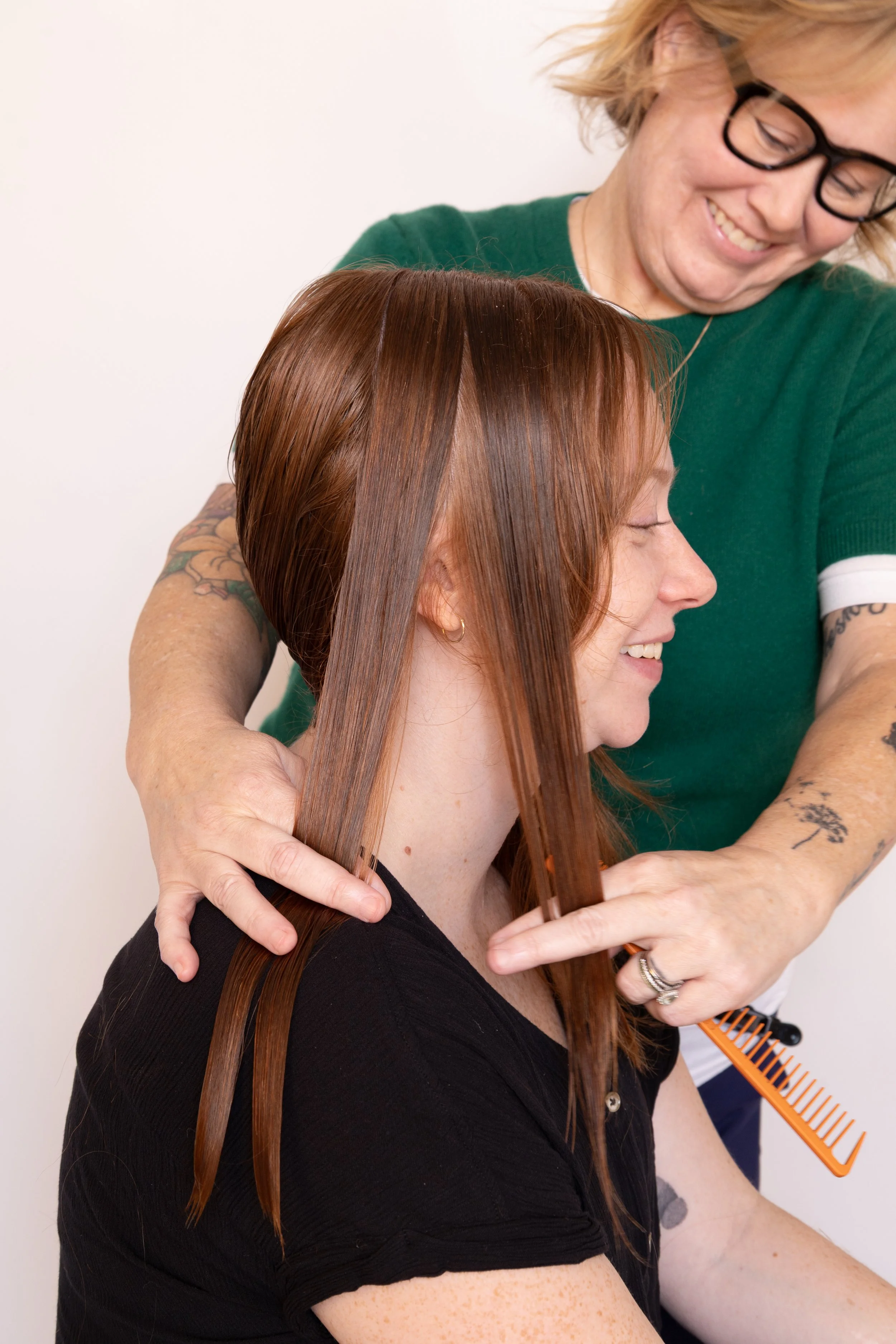
The result: a new kind of hairdresser
What changes when you learn the BreakRoom way.
Stylists experience:
fewer mistakes
fewer redos
stronger consultations
clarity in decisions
better communication
faster problem-solving
deeper confidence
artistic identity
long-term growth
This is mastery — not memorization.
Mastery is not magic — it’s method
Talent isn’t the foundation of a great career. Learning is.
The Breakroom teaches stylists:
how their brain works
how their hands learn
how their eyes see
how their nervous system responds●
how to practice with intention
how to solve problems instead of memorize steps
This is how you go from stylist…
to technician…
to cutter…
to artist…
to master.
This is how hairdressers learn.
This is the Breakroom way.